
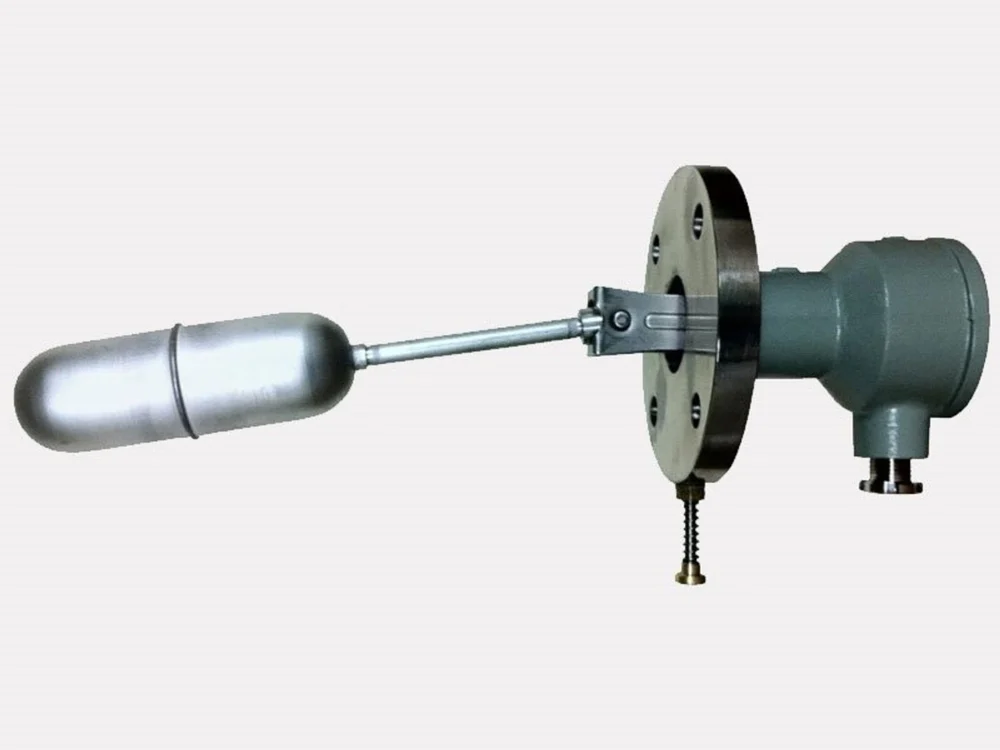
A float switch is an electrical device used to detect the level of liquid (usually water) in a tank, sump, or reservoir and automatically control a pump, alarm, or valve based on that level.
A float switch operates using a simple mechanical principle: buoyancy.
For example:
Float switches are widely used in:
If you want, I can also explain wiring of a float switch with a motor pump or show a circuit diagram.
| Parameter | Specification |
|---|---|
| Device Type | Liquid level sensing switch |
| Operating Principle | Buoyancy-based mechanical or magnetic switching |
| Function | ON/OFF control based on liquid level |
| Material | Plastic (PP, ABS) / Stainless steel (for industrial use) |
| Electrical Rating | Typically 220–250V AC, 50/60 Hz (varies by model) |
| Current Rating | 5A to 10A (varies) |
| Mounting Type | Vertical, horizontal, or cable suspended |
| Contact Type | Normally Open (NO) / Normally Closed (NC) |
| Working Medium | Water, wastewater, oil (model dependent) |
| Temperature Range | Approx. 0°C to 80°C (industrial types higher) |
| Application | Water tanks, sump pumps, industrial tanks |
